
How Much Does Website Design Cost? A Complete Pricing & Agency Selection Guide
This in-depth guide explains how much website design costs by breaking down pricing tiers, website types, key cost-driving factors, and hidden expenses. It also helps businesses understand real-world website uses, ROI value, and how to choose the right web design agency for scalable, cost-effective digital growth.
WEBSITE DESIGN SERVICES
1/19/20269 min read

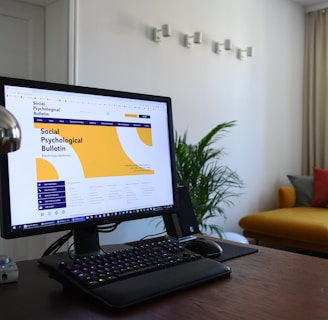
In today’s digital-first economy, a website is no longer optional—it is a core business asset. Whether you are a startup, an SME, or an established enterprise, one of the first strategic questions you will face is how much does website design cost and what exactly you are paying for. This question has no single answer because website design pricing depends on multiple variables, including website type, functionality, design complexity, and the agency you choose.
This semantic guide is written to educate decision-makers, entrepreneurs, and business owners about website design costs, types of websites, their real-world uses, and how to choose a web design agency that aligns with your business goals. It also highlights how affordable web design services can still deliver measurable value when approached strategically.
Why Website Design Cost Matters for Businesses
A website is not an expense—it is an investment. A poorly designed website can damage credibility, reduce conversions, and negatively impact SEO rankings. On the other hand, a well-designed website can generate leads, improve brand authority, and create long-term ROI.
Understanding website design costs allows you to:
Set realistic budgets
Avoid overpaying or underpaying
Compare agencies objectively
Align features with business objectives
When businesses ask how much does website design cost, they are often really asking: What level of digital maturity does my business need right now?
How Much Does Website Design Cost? (Detailed Breakdown)
Website design costs typically fall into structured tiers. Below is a realistic industry-based breakdown.
1. Basic Website Design Cost (USD 149 – 349)
Best for: Startups, personal brands, freelancers
Includes:
3–5 static pages
Template-based layout
Basic mobile responsiveness
Contact form integration
This category often falls under affordable web design services and is ideal for businesses that only need an online presence without advanced functionality.
2. Small Business Website Design (USD 350– 1,199)
Best for: Local businesses, service providers
Includes:
Custom UI elements
CMS integration (WordPress or similar)
SEO-friendly structure
Speed optimization basics
This is the most common tier where businesses seriously start evaluating how much does website design cost versus the value it generates.
3. Corporate or Professional Website (USD 1,200 – 6,000)
Best for: Established businesses, B2B companies
Includes:
Custom UX/UI design
Brand-aligned layouts
Advanced SEO structure
Security hardening
Performance optimization
At this level, choosing the right partner becomes critical, making how to choose a web design agency a key decision point.
4. E-commerce Website Design (USD 1,999 – 10,000+)
Best for: Online stores, retail brands
Includes:
Product catalogs
Payment gateway integration
Cart and checkout systems
Inventory management
Security and compliance (SSL, PCI)
Costs increase depending on product count, third-party integrations, and custom workflows.
5. Custom Web Applications (USD 7,999 – 30,000+)
Best for: SaaS platforms, marketplaces
Includes:
Fully custom backend logic
User dashboards
API integrations
Scalable architecture
Here, website design overlaps with software engineering, which significantly affects cost.
Key Factors That Influence Website Design Cost
When businesses seriously evaluate how much does website design cost, the answer depends less on a fixed price and more on a set of technical and strategic cost drivers. Each factor below directly impacts development time, expertise required, and long-term performance of the website. Understanding these elements helps you plan budgets accurately and avoid under-scoping or overpaying.
1. Design Customization Level
The level of design customization is one of the most significant contributors to website design cost.
Template-Based Design
Uses pre-built themes or layouts
Faster development timelines
Limited visual uniqueness
Lower upfront cost
Template-based designs are common in affordable web design services, especially for startups or small businesses that prioritize speed and budget over uniqueness.
Custom Website Design
Designed from scratch based on brand identity
Tailored user journeys and layouts
Higher conversion optimization potential
Requires UX research, wireframing, and UI prototyping
Custom designs cost more because they involve:
Brand discovery workshops
UX strategy and user flow mapping
Multiple design revisions
Device-specific optimization
However, for businesses competing in saturated markets, custom design delivers higher credibility, stronger brand recall, and better lead conversion—making the investment strategically justified.
2. Number of Pages
The total number of pages directly influences website design and development costs.
Each page requires:
Layout planning
Content placement
Responsive design adjustments
Internal linking strategy
SEO optimization
Small Websites (5–7 pages)
Typically include Home, About, Services, Contact, and a few landing pages. These are quicker to design and ideal for basic business presence.
Medium Websites (10–25 pages)
Require:
Structured navigation
Content hierarchy planning
Consistent UI patterns
Advanced SEO architecture
Large Websites (30+ pages)
Involve:
Information architecture design
Content siloing for SEO
Page templates vs unique layouts
Scalability planning
As page count increases, agencies must invest more time in UX consistency, content strategy, and SEO planning—raising overall costs.
3. Functionality & Features
Functionality transforms a website from a static brochure into an interactive business tool—and this is where costs scale quickly.
Common features that increase design cost include:
Appointment or booking systems
User dashboards or login systems
E-commerce carts and checkout flows
Payment gateway integrations
Third-party API integrations
Advanced animations and micro-interactions
Each feature adds cost because it requires:
Backend development
Frontend interaction design
Security testing
Cross-browser and device testing
For example, a simple contact form has minimal cost impact, while a real-time booking system with admin controls significantly increases development hours. When evaluating how much does website design cost, functionality should always be prioritized based on actual business needs, not trends.
4. Content Requirements
Content is often underestimated in website budgeting, yet it plays a critical role in cost and effectiveness.
Copywriting
Professional copywriting improves clarity, SEO, and conversions
Requires keyword research and brand tone alignment
Increases cost but reduces bounce rates
Images and Graphics
Stock images vs custom photography
Custom illustrations and icons
Image optimization for speed
Video Integration
Explainer videos
Background video sections
Hosting and performance considerations
Websites that require agency-managed content creation cost more because they involve additional specialists, revisions, and optimization workflows. However, content-driven websites often outperform design-only sites in SEO and lead generation.
5. SEO & Performance Optimization
SEO and performance optimization are advanced services that significantly influence website design cost—but they also define long-term success.
Technical SEO Includes
Clean URL structures
Schema markup
Indexing and crawl optimization
Mobile-first compliance
Performance Optimization Includes
Page speed optimization
Image compression
Code minification
Core Web Vitals improvements
These tasks require specialized expertise and testing tools. While some affordable web design services may include basic SEO, comprehensive optimization is a premium service because it directly impacts search rankings, user experience, and conversion rates.
A lower-cost website without proper SEO and performance optimization often ends up costing more later due to redesigns, lost traffic, and poor rankings.
How to Choose a Web Design Agency
Selecting a web design agency is not a creative-only decision—it is a strategic business choice that directly impacts brand credibility, lead generation, scalability, and long-term return on investment. When evaluating how to choose a web design agency, businesses must look beyond surface-level visuals and assess operational, technical, and strategic capabilities.
Below is a detailed professional checklist to help you make an informed, risk-aware decision.
1. Portfolio Relevance (Not Just Visual Appeal)
An agency’s portfolio should demonstrate problem-solving ability, not only attractive layouts.
What to evaluate:
Industry relevance and similar business models
User experience logic and conversion paths
Mobile responsiveness across projects
Consistency in quality across multiple case studies
A visually impressive portfolio without industry alignment often indicates a design-first mindset rather than a results-driven approach. When assessing how to choose a web design agency, prioritize agencies that understand your audience, customer journey, and competitive landscape.
2. Process Transparency and Project Structure
Professional agencies operate with defined workflows, not ad-hoc execution.
Key indicators of transparency:
Clear project phases (discovery, design, development, testing, launch)
Documented timelines and milestones
Structured approval and revision cycles
Defined scope and change management policies
Lack of process clarity often leads to delays, scope creep, and cost overruns. Agencies that openly explain how a project will be delivered reduce risk and increase predictability—critical factors when calculating ROI.
3. SEO & Performance Knowledge
A website designed without SEO and performance considerations is fundamentally flawed.
A competent agency should demonstrate expertise in:
SEO-friendly site architecture
Mobile-first and responsive design principles
Page speed optimization and Core Web Vitals
Content hierarchy and internal linking
When evaluating how to choose a web design agency, ask how design decisions impact search visibility and loading speed. Agencies that treat SEO as an afterthought often produce visually strong but commercially weak websites that struggle to attract organic traffic.
4. Technology Stack and Scalability
Technology decisions made during design affect scalability, maintenance costs, and future integrations.
A reliable agency uses:
Widely supported CMS platforms (e.g., WordPress, headless CMS)
Modern frontend frameworks where applicable
Secure and maintainable backend structures
Clean, documented code standards
Avoid agencies that rely on proprietary or outdated systems that lock you in. The right technology stack ensures your website can evolve as your business grows—one of the most overlooked aspects when businesses assess how to choose a web design agency.
5. Post-Launch Support and Maintenance
Website launch is the beginning, not the end.
Professional agencies clearly define:
Ongoing maintenance plans
Security updates and monitoring
Backup and recovery protocols
Performance monitoring and improvements
Without post-launch support, even a well-designed website degrades over time due to outdated plugins, security vulnerabilities, and changing browser standards. Reliable post-launch support protects your investment and ensures long-term performance stability.
6. Communication, Documentation, and Legal Clarity
Strong communication frameworks are essential for successful project execution.
What to expect from a professional agency:
Dedicated point of contact or account manager
Regular progress reports and status updates
Detailed contracts outlining deliverables and ownership
Clear documentation for handover and future updates
Poor communication is one of the leading causes of failed web projects. Agencies that prioritize documentation and structured reporting minimize misunderstandings, prevent disputes, and maintain alignment throughout the engagement.
Strategic Perspective
When businesses ask how to choose a web design agency, the correct approach is to evaluate the agency as a strategic partner—not a vendor. Design quality, technical expertise, process maturity, and post-launch accountability must align with business goals.
A reputable agency like House of Digital Solutions approaches web design as a comprehensive business solution—integrating strategy, design, technology, SEO, and ongoing support—rather than treating it as a one-time visual deliverable.
Choosing the right agency ensures that your website is not only visually credible but also commercially effective, scalable, and positioned for long-term growth.
Hidden Website Design Costs You Should Know About (With Standard Rates)
When businesses calculate how much does website design cost, they often focus only on the upfront design and development fee. However, several ongoing and ancillary costs significantly affect the true cost of ownership. These expenses are not necessarily hidden by intent—but they are frequently overlooked during budgeting.
A professional evaluation includes the following cost components and their standard market rates.
1. Domain and Hosting Fees
Domain Registration (Annual)
Standard domains (.com, .net, .org): USD 10 – 20 / year
Premium or niche domains: USD 50 – 500+ / year
Web Hosting (Annual)
Shared hosting (basic websites): USD 50 – 150
Managed WordPress hosting: USD 150 – 400
VPS or cloud hosting (high traffic): USD 300 – 1,200+
Hosting costs vary based on traffic volume, storage, security layers, and performance requirements. Low-cost hosting often leads to slow load times and poor SEO performance—indirectly increasing long-term costs.
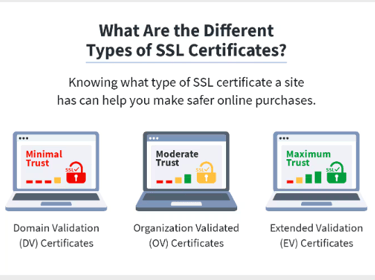
2. SSL Certificates
SSL certificates are mandatory for security, user trust, and search engine rankings.
Standard Rates
Basic SSL (single domain): Free – USD 50 / year
Business or wildcard SSL: USD 80 – 300 / year
Extended Validation (EV SSL): USD 150 – 500 / year
While some hosts include free SSL, advanced websites—
especially e-commerce or corporate platforms—often
require premium certificates for higher trust indicators
and compliance.
3. Ongoing Maintenance Costs
Websites are not “set and forget” assets. Regular maintenance is required to ensure security, compatibility, and performance.
Typical Maintenance Includes
CMS and plugin updates
Security monitoring and patches
Regular backups
Bug fixes and compatibility checks
Standard Maintenance Rates
Basic maintenance: USD 30 – 80 / month
Business-grade maintenance: USD 100 – 300 / month
Enterprise support: USD 500+ / month
Ignoring maintenance often results in security vulnerabilities, downtime, or costly emergency fixes—making proactive maintenance more cost-effective.
4. Content Updates and Management
Content evolves as businesses grow, and keeping it updated incurs recurring costs.
Common Content Update Costs
Text updates or page edits: USD 20 – 50 per update
New page creation: USD 80 – 200 per page
Blog publishing (SEO-optimized): USD 100 – 300 per article
Image replacement or optimization: USD 10 – 30 per image
Websites that rely on outdated content often lose SEO rankings and user trust, making content updates a necessary operational expense rather than an optional one.
5. Marketing Integrations
Modern websites often integrate with marketing and analytics tools to drive measurable growth.
Common Integrations
Google Analytics and Search Console
CRM systems (HubSpot, Zoho, etc.)
Email marketing platforms
Facebook Pixel and conversion tracking
Live chat or chatbot tools
Standard Integration Costs
Basic analytics setup: USD 50 – 150
CRM or email automation integration: USD 200 – 600
Advanced tracking and conversion setup: USD 300 – 1,000+
These integrations are essential for performance tracking, lead nurturing, and ROI measurement—but they are often excluded from base design quotes.
Why Transparent Pricing Matters
When evaluating how much does website design cost, the most reliable agencies clearly outline:
One-time vs recurring costs
Optional vs mandatory services
Upgrade paths and scalability expenses
Transparent agencies prevent cost overruns by addressing these items during the proposal stage rather than introducing them post-launch. Firms such as House of Digital Solutions position website design as a long-term business asset, ensuring that clients understand the total cost of ownership from the outset.
Website Design Cost vs Value: The ROI Perspective
A USD 2,000 website that generates consistent leads is cheaper than a USD 500 website that converts nothing.
Well-designed websites:
Reduce bounce rates
Improve SEO rankings
Increase trust and authority
Convert visitors into customers
This is why businesses must balance affordable web design services with long-term scalability.




Ready to Grow Your Startup?
Partner with House of Digital Solutions, a digital marketing agency for startups that understands your journey. Whether you're launching your first product, seeking your initial customers, or scaling to the next level, HODS provides the online marketing services for small business that drive real, measurable growth.
Policies
Future
email: info@hods.io
Call : +92 318 249 5037
© 2025. All rights reserved by House of Digital Solutions
+44 759 968 2726
IMPACT